Save With Our Military Discount Today!
Understanding Seasonal Pruning Requirements
Trees in Ventura County experience unique growth patterns influenced by coastal moisture and year-round mild temperatures. Understanding when to prune ensures your trees remain healthy, attractive, and structurally sound. Late winter through early spring represents the optimal window for most deciduous species, as trees enter dormancy and pruning wounds heal rapidly once growth resumes. This timing minimizes stress and reduces disease transmission risk.
Palm trees, abundant throughout the region, require different consideration. Dead fronds should be removed only when fully brown, as premature cutting removes valuable nutrients the tree recycles. Oxnard’s coastal winds can create hazards from loose fronds, making regular inspection particularly important for properties near pedestrian areas or parking spaces.
Eucalyptus and other evergreen species benefit from summer pruning when sap flow decreases, reducing mess and accelerating wound closure. However, avoid pruning during Santa Ana wind season when trees face added stress from low humidity and higher temperatures. Professional assessment identifies species-specific needs and addresses structural concerns before they become safety issues. Proper timing combined with correct technique preserves tree vitality while enhancing landscape appearance and property value.
Recognizing When Removal Becomes Necessary
Not every tree concern requires removal, but certain conditions make extraction the safest, most responsible choice. Structural failure signs include significant trunk decay, major root damage, or severe leaning that worsens over time. These conditions compromise stability and create serious risks during storms or high winds common along the coast.
Disease progression sometimes reaches irreversible stages where treatment proves ineffective and the specimen threatens neighboring plants. Fungal infections spreading through root systems, advanced beetle infestations, or systemic bacterial diseases may necessitate prompt removal to protect surrounding landscape investments. Dead or dying trees become brittle, dropping limbs unpredictably and attracting pests that migrate to healthy specimens.
Location conflicts also drive removal decisions. Trees planted too close to structures, utility lines, or hardscaping often cause foundation damage, plumbing intrusions, or sidewalk upheaval as root systems expand. Some species simply outgrow their intended spaces, creating ongoing maintenance burdens and liability concerns. Storm damage occasionally leaves trees too compromised to save despite treatment efforts.
Professional evaluation distinguishes between correctable issues and genuine removal candidates. Certified arborists assess structural integrity, disease severity, and risk factors to provide clear recommendations. When removal becomes necessary, proper techniques protect surrounding property, preserve remaining landscape features, and prepare sites for replacement plantings that better suit the location and conditions.
Stump Grinding Benefits and Process
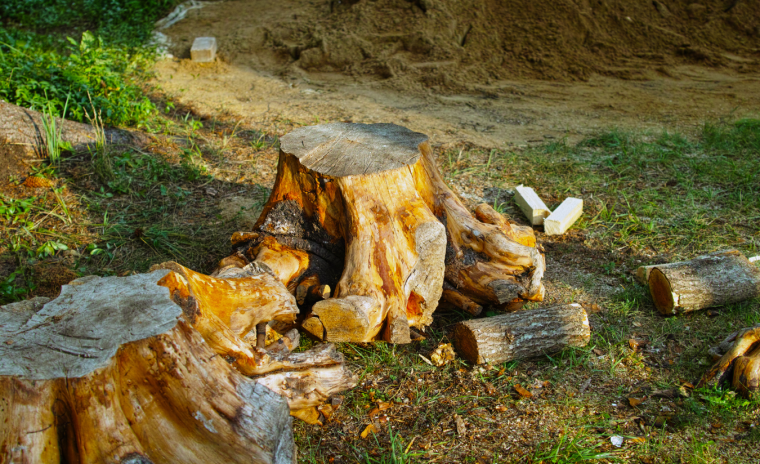
Leaving stumps after extraction creates multiple problems beyond aesthetic concerns. Stumps occupy valuable yard space, interfere with mowing and landscaping, and present tripping hazards, particularly for children and elderly individuals. They also attract termites, carpenter ants, and wood-boring beetles that may spread to healthy trees, wooden fences, or even structural components of nearby buildings.
Stump grinding eliminates these issues by mechanically reducing stumps to wood chips below ground level. Professional grinders reach depths of eight to twelve inches, removing sufficient material to allow grass growth or new plantings. The process generates mulch usable in planting beds, around remaining trees, or as pathway material, turning waste into a landscape resource.
Grinding proves faster, less invasive, and more cost-effective than excavation, which requires heavy equipment, leaves large holes, and disturbs surrounding landscape features. Chemical stump removal takes months, uses harsh substances, and still requires eventual physical removal of decayed material. Mechanical grinding completes the job in hours, leaving properties immediately usable.
Root systems gradually decompose underground without the stump, eliminating resprouting concerns. Ground stumps create planting opportunities impossible with intact stumps, allowing homeowners to install replacement trees, expand gardens, or extend lawns into previously unusable areas. Professional grinding includes site cleanup, hauling chips if desired, and ensuring level, safe ground conditions ready for intended uses.
Storm Preparation and Emergency Response
Coastal storm systems and occasional Santa Ana winds test tree structural integrity, exposing weaknesses in poorly maintained specimens. Proactive preparation significantly reduces damage risk and emergency costs. Annual inspections identify weak branch unions, dead wood, and structural defects correctable through preventive pruning before weather events occur.
Trees overhanging structures, power lines, or high-traffic areas require particular attention. Removing problematic limbs during calm weather proves safer and less expensive than emergency removal after failures. Thinning dense canopies reduces wind resistance, allowing air passage that decreases breakage probability during high winds. Cabling and bracing systems stabilize trees with structural defects worth preserving, extending service life while managing risk.
When storms do cause damage, immediate professional assessment determines appropriate responses. Hanging limbs, split trunks, and uprooted trees create serious hazards requiring prompt, safe removal. Partially failed trees may be salvageable through corrective pruning and support systems if structurally sound tissue remains. Emergency response teams work efficiently to clear hazards, protect property from further damage, and restore site safety.
Post-storm cleanup includes debris removal, surface damage assessment, and recommendations for long-term landscape recovery. Some damaged trees recover fully with proper care, while others require removal and replacement. Professional crews handle these situations safely with appropriate equipment, insurance coverage, and training that protects both people and property during stressful, time-sensitive circumstances.
Choosing Qualified Arborist Professionals
Tree work involves significant safety risks, specialized knowledge, and potential liability that make professional qualifications critical. Proper licensing and insurance protect property owners from responsibility for accidents, property damage, or worker injuries. Reputable companies carry general liability coverage and workers’ compensation insurance, providing documentation upon request before beginning work.
Certified arborists complete rigorous training in tree biology, pathology, and proper care techniques. Certification demonstrates commitment to industry standards and ongoing education about best practices. These professionals diagnose problems accurately, recommend appropriate treatments, and execute work that promotes long-term tree health rather than merely addressing surface symptoms.
Equipment quality and maintenance standards separate professionals from less qualified operators. Modern chippers, stump grinders, aerial lifts, and safety gear represent substantial investments reflecting business stability and safety commitment. Well-maintained equipment operates efficiently, completes jobs promptly, and reduces property damage risks during operations.
First Class Tree Service brings certified expertise to residential and commercial properties throughout Ventura County. Our team understands the specific challenges coastal climates present, from salt spray effects on foliage to soil conditions affecting root health. We provide detailed assessments, clear explanations of recommended work, and upfront pricing without hidden charges. Whether you need routine maintenance to keep mature trees healthy, hazardous limb removal to protect structures, or complete extraction of diseased specimens, our licensed professionals deliver safe, efficient solutions. Local references, proper insurance coverage, and years of community service demonstrate our reliability. Contact us today for a free consultation and discover why property owners trust our team for all their landscape needs.